MARUŠEVEC ESTATE
A Visionary Treasure - the Story behind.
Where History Meets Legacy
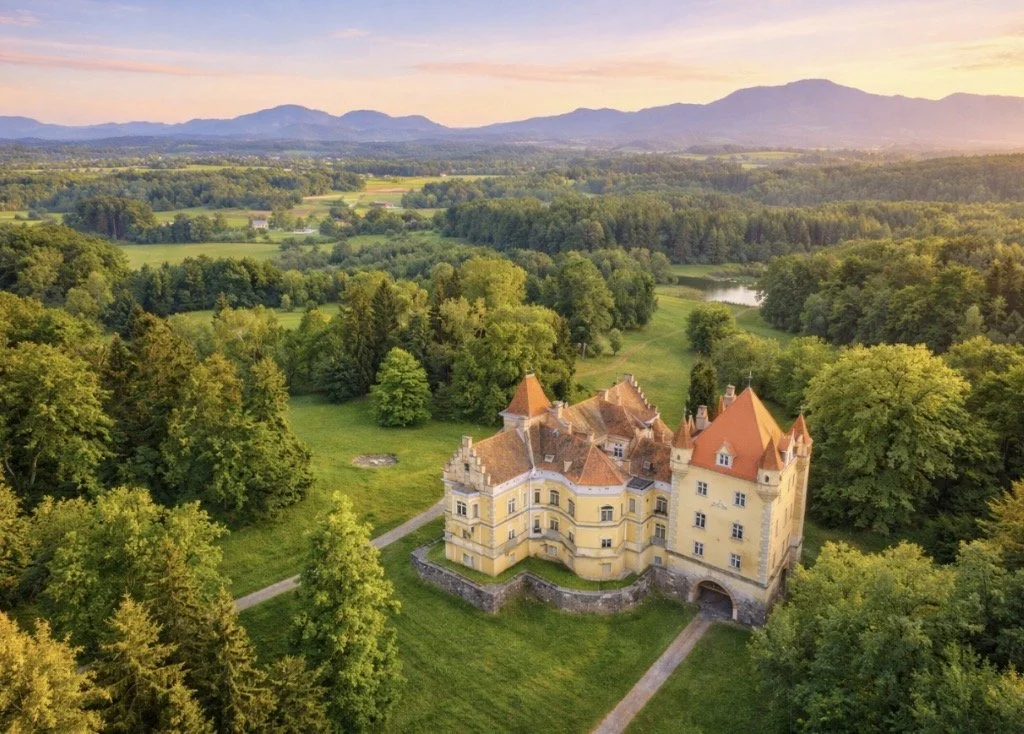
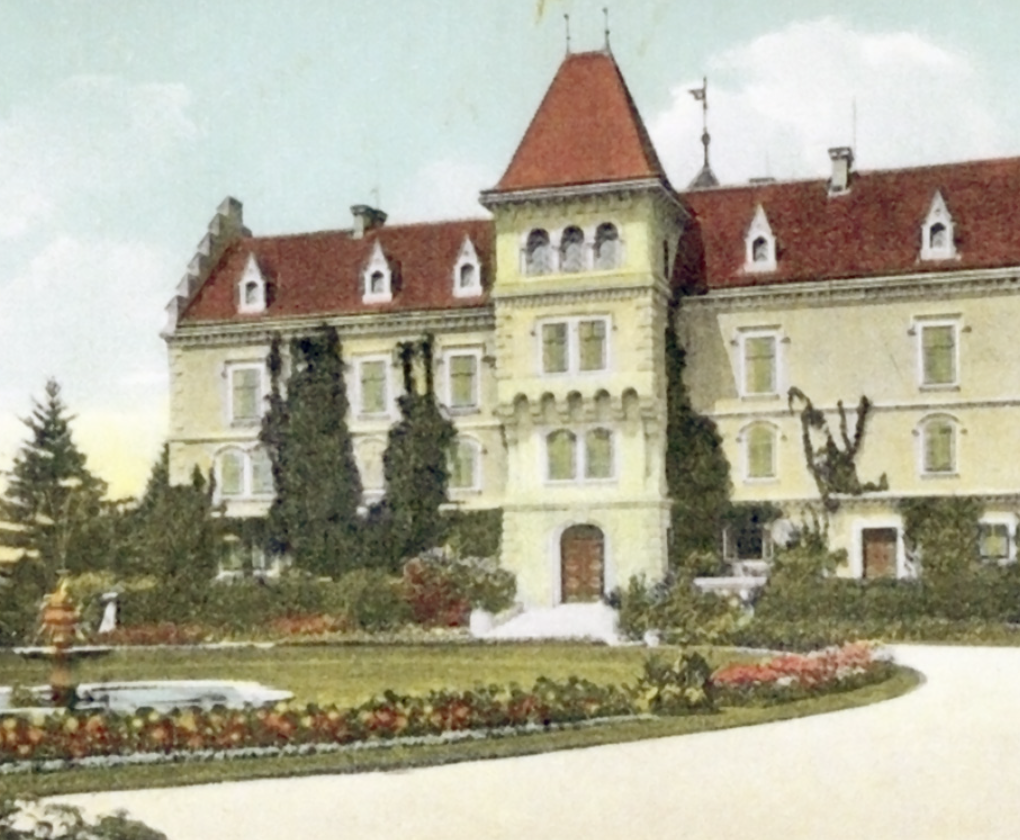
Set amidst the rolling greenery of Varaždin County, Maruševec Estate is a place where centuries of history, culture, and vision quietly converge. At its heart stands Maruševec Castle, one of Northern Croatia’s oldest architectural treasures, surrounded by a fifteen-hectare English landscape garden and a romantic lake.
From the very beginning, Maruševec has been more than a residence—it has been a symbol of ambition, elegance, and continuity.

Family crest
Origins in the 14th Century
The origins of Maruševec Castle date back to the 14th century, when it was first built by the aristocratic Vragović family. Over the centuries, the castle evolved alongside the changing tides of European history, gradually transforming in both form and purpose.
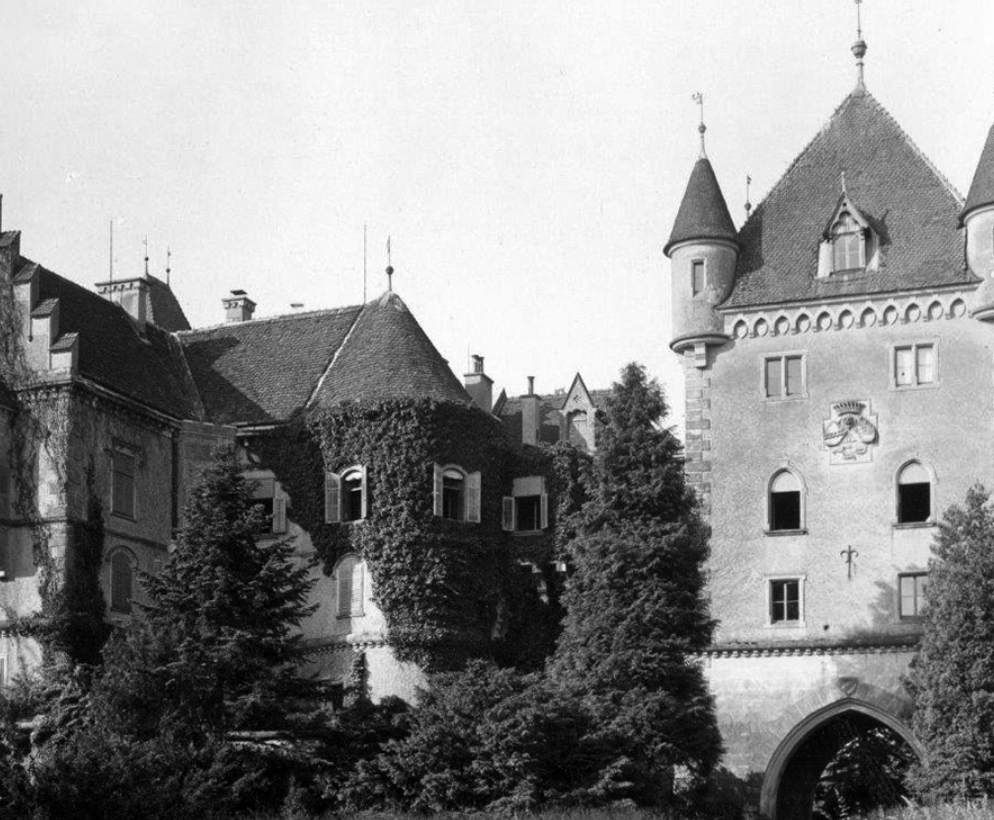
Its defining architectural character emerged when Count Schlippenbach and his wife, née Baroness Drasche-Wartinberg, remodelled the castle in the spirit of German Romanticism. They added the iconic four-storey tower and introduced architectural elements that continue to define Maruševec’s unmistakable silhouette today.
The Pongratz Era – Vision and Influence
In 1883, Oskar Ritter von Pongratz acquired the entire Maruševec Estate, leaving a lasting mark on the property and giving the castle its final historic form in 1901.
His contributions included a new staircase beneath an open glass ceiling, a second entrance at the rear bearing the inscription “1901”, the creation of an English landscape park, and the construction of an orangery on the castle grounds. The landscape design was entrusted to renowned Swedish garden architect Carl Gustav Svensson.
The main wing was also extended on both sides, battlements were added along the roofline, and the Pongratz family crest was placed above the main entrance.
The Pongratz family was among the most influential aristocratic and entrepreneurial families in 19th-century Croatia. Their legacy helped shape the nation’s economic and industrial landscape. They co-founded the Ožujsko Brewery, established the Croatian Escompte Bank, constructed the railway lines from Karlovac to Rijeka and from Split to Knin and Šibenik, built major sections of Zagreb’s central railway station, and developed major harbours in Rijeka and Trieste.
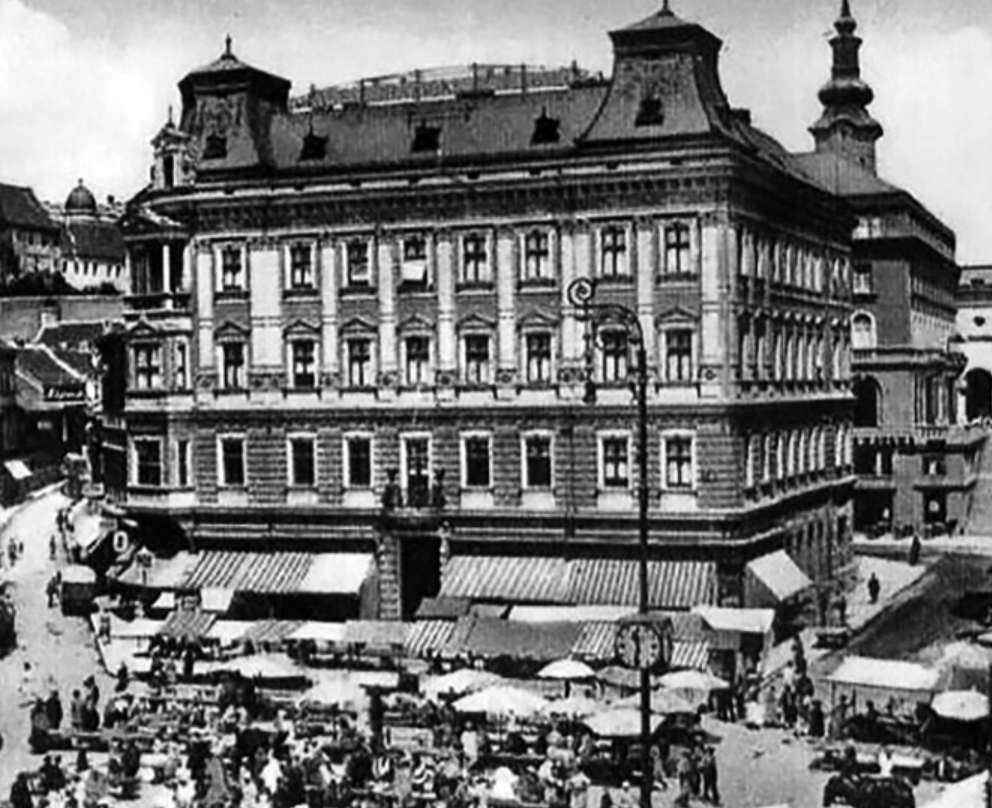
During this period, the family owned an extensive portfolio of estates and properties, including Čalinec (also owned by Oskar), Dornava (owned by Oskar’s brother, Guido Ritter von Pongratz), Ormož (owned by Oskar’s daughter, Irma Countess Wurmbrand-Stuppach), Šenek (owned by Oskar’s cousin, Max Ritter von Pongratz), the city palace in Slovenska Bistrica (owned by Oskar’s uncle, Friedrich Ritter von Pongratz), Vila Zora in Bled, and Mikulici and the family Palais on Jelačić Square in Zagreb (owned by Oskar’s cousin, Gustav Ritter von Pongratz), as well as numerous other houses and properties throughout the southern part of the Austro-Hungarian Empire.
The family’s success remains visible today, perhaps most prominently in Villa Pongratz at Visoka Ulica 22, which now serves as the Presidential Residence.
Palais Pongratz at
Jelacic place Zagreb
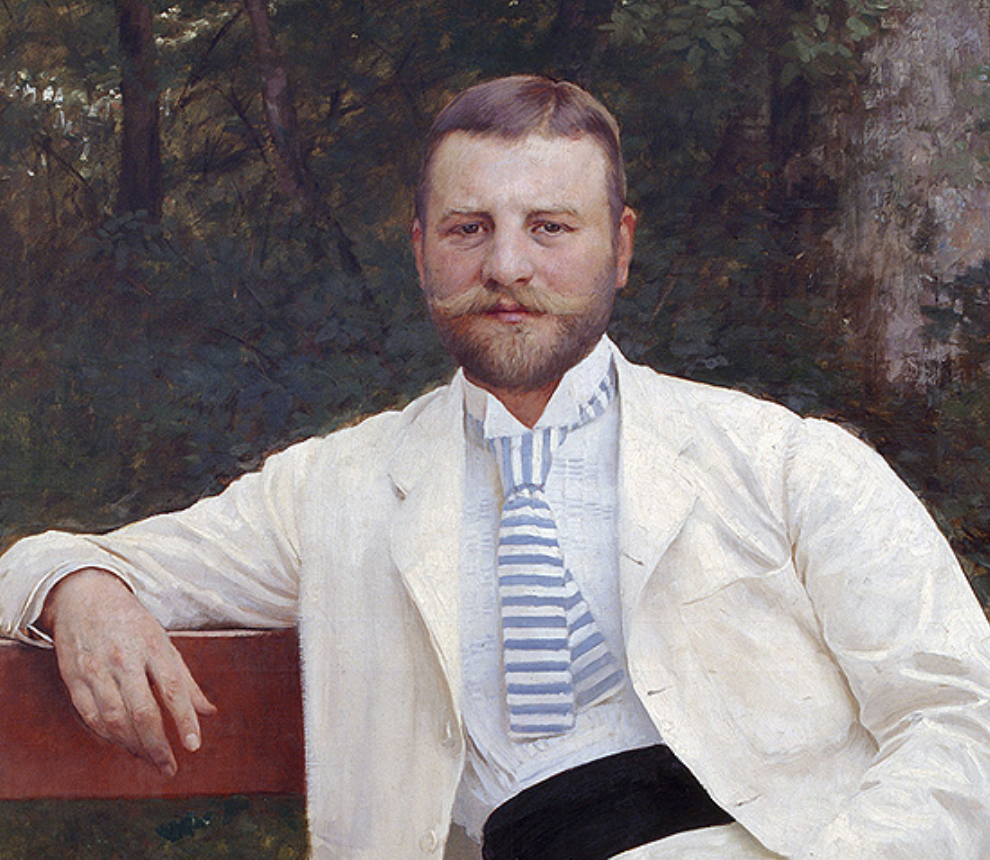
Gustav Ritter von Pongratz
painted by Vlaho Bukovac
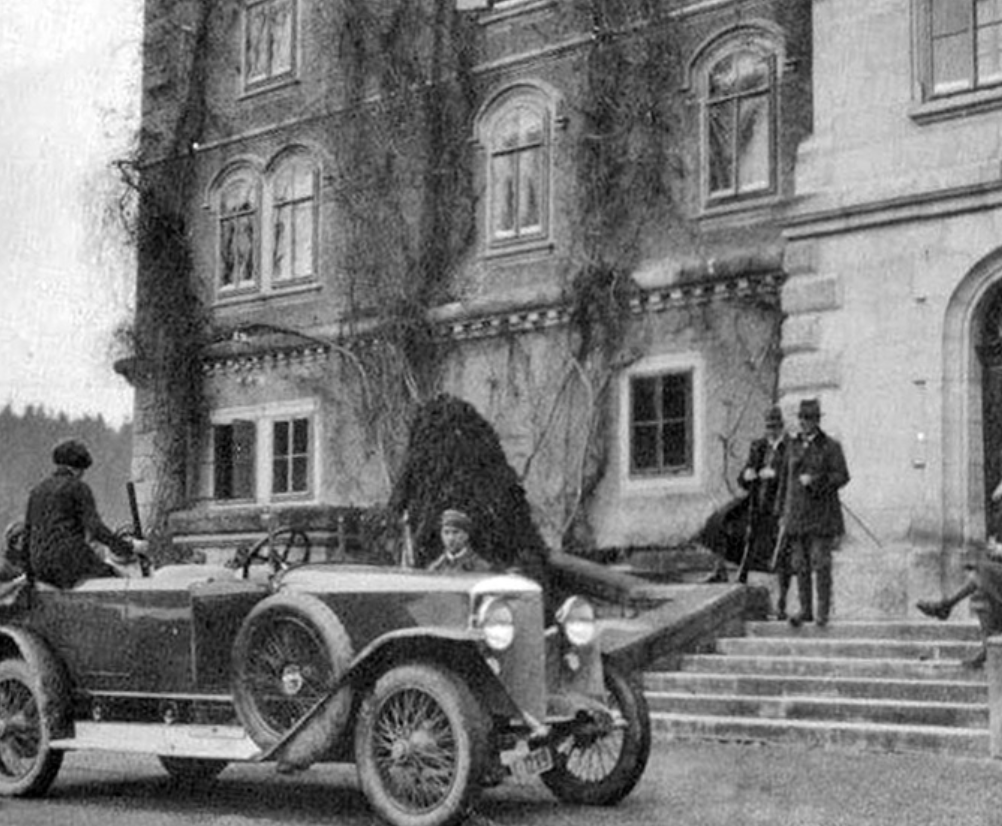
Maruševec Estate
Loss & Return
In 1945, following World War II, privately owned estates across the region were seized by the state, and the Pongratz family was forced to relinquish its properties.
For many years, the castle was carefully maintained by the Adventist Church, which used it as a school and treated the property with the utmost respect.
Since 2004, parts of Maruševec Estate have been restituted to the Pongratz family, marking a long-awaited return. Today, the estate is owned by Maximilian von Pongratz-Lippitt, the great-grandson of Oskar.
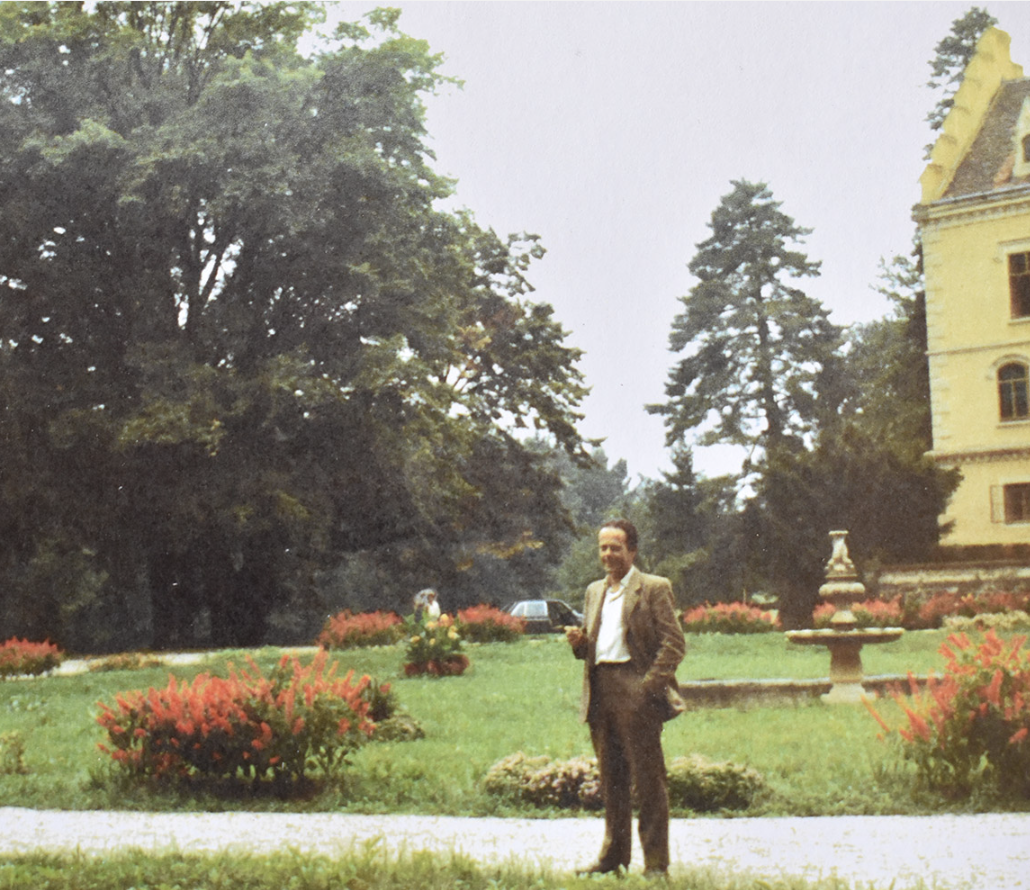
Dr. Oscar von Pongratz in front of Maruševec Castle 1976
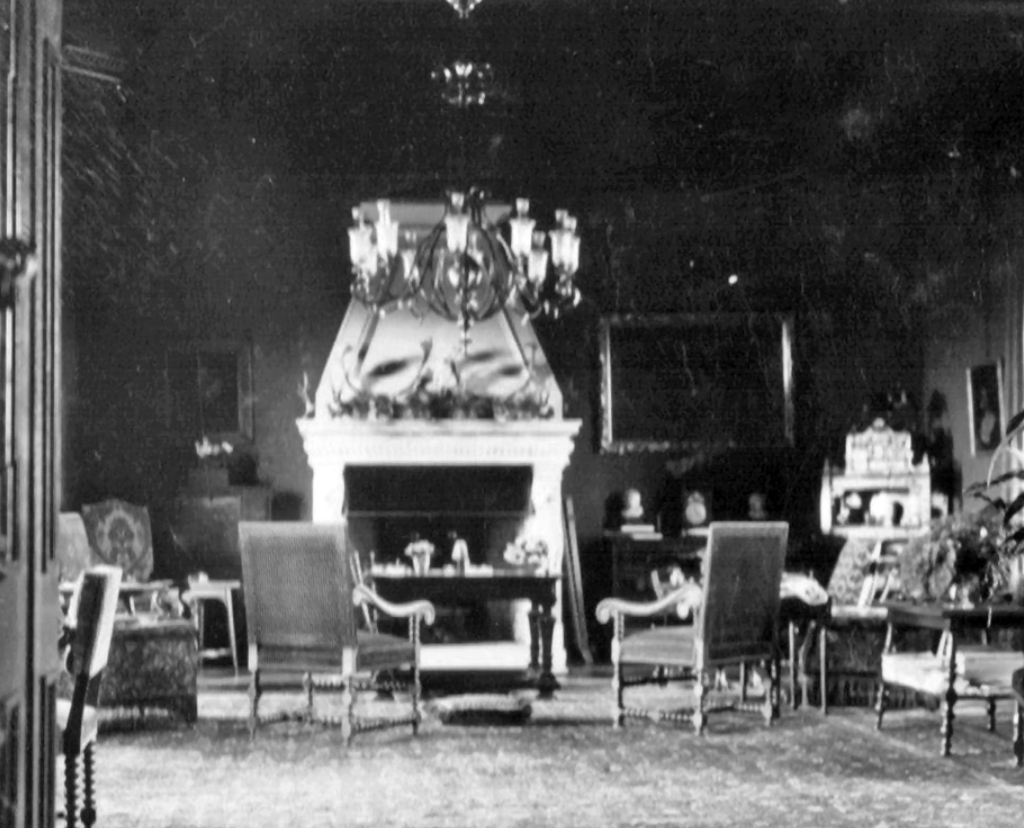
Salon Maruševec
ca. 1940
Maruševec Estate
ca. 1900
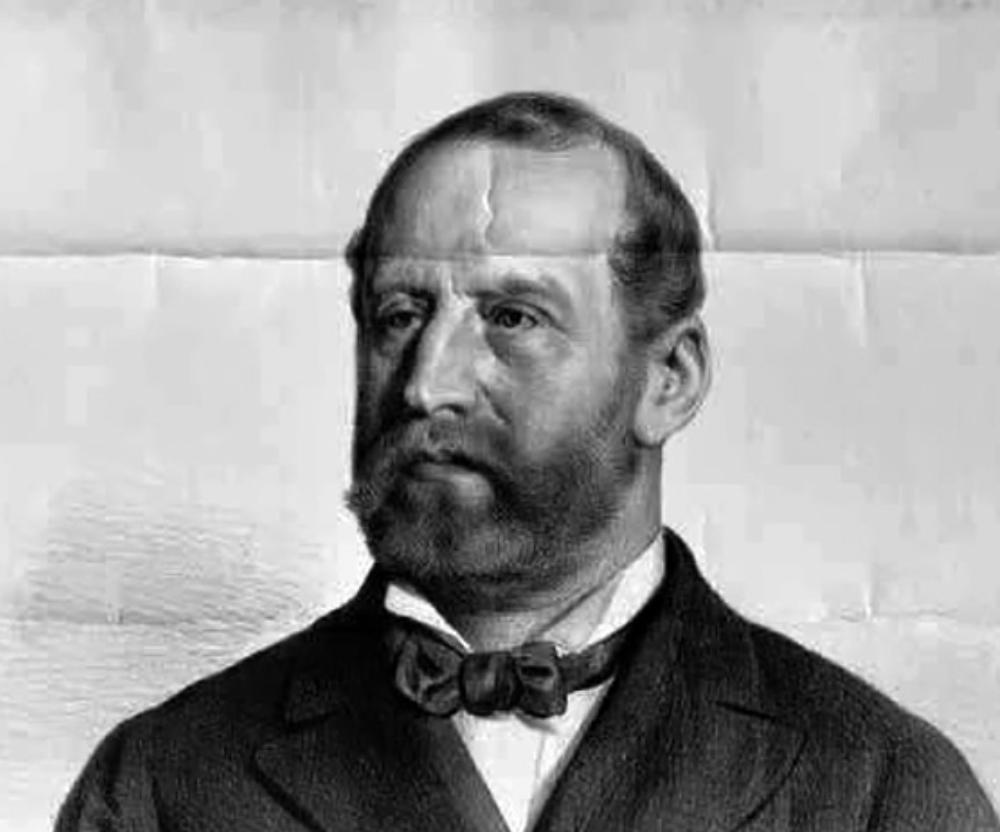
Guido Ritter von Pongratz
A New Chapter: DVOMAR
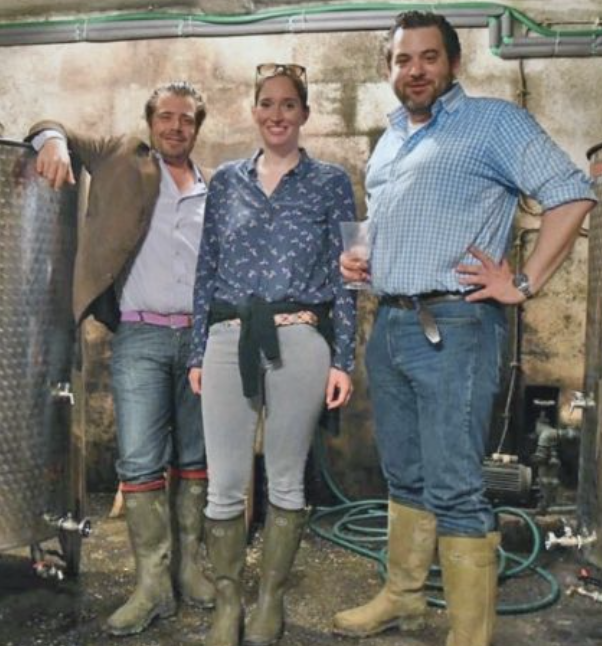
In 2015, two close friends, Maximilian von Pongratz and Christoph Eder, founded DVOMAR,
a company dedicated to the future of Maruševec Estate.
With deep respect for the past and a clear vision for the future, they set out to restore, preserve, and revitalise the estate—not merely as a historic monument, but as a living place where heritage, culture, and contemporary life come together.
Through their efforts, they have helped revive a part of Croatia’s traditional Austrian heritage surrounding Maruševec Castle, carefully restoring the historic winery and rediscovering the authentic Turopolje pig as a rare regional delicacy.
Preserving the Past. Shaping the Future.
Today, Maruševec Castle stands as a testament to resilience, heritage, and continuity. Every stone tells a story—of rise and loss, of vision and return.
And this story is still being written.